Senegal is stepping into a rare and historic position.
In 2026, Dakar is scheduled to host the Youth Olympic Games. If delivered as planned, it will mark the first Olympic event ever held on African soil. That matters not only because of symbolism, but because it shifts the geography of global sport. For once, the world is being asked to look toward Africa not only as a reservoir of talent, but as a stage, a host, and a center.
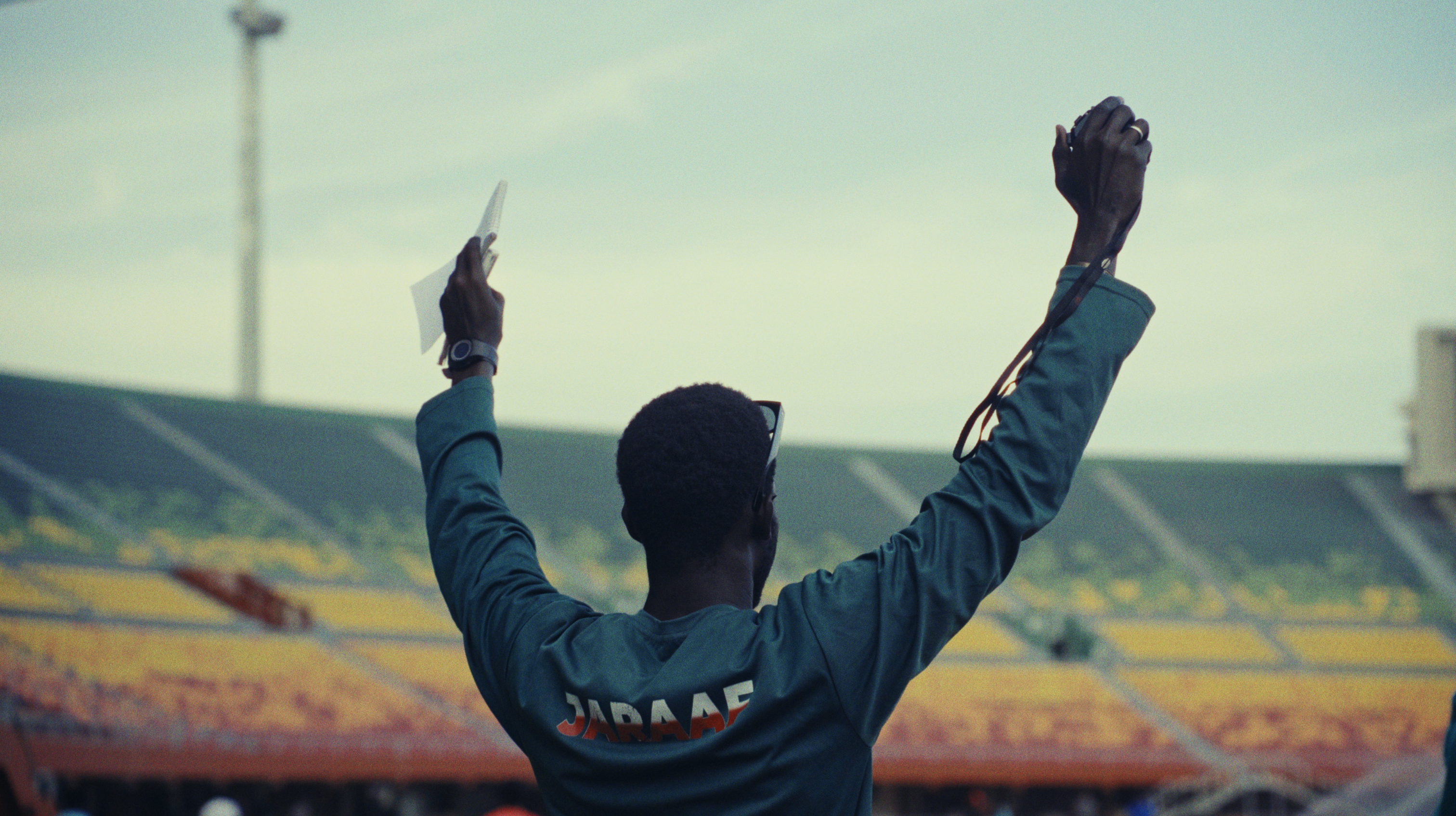
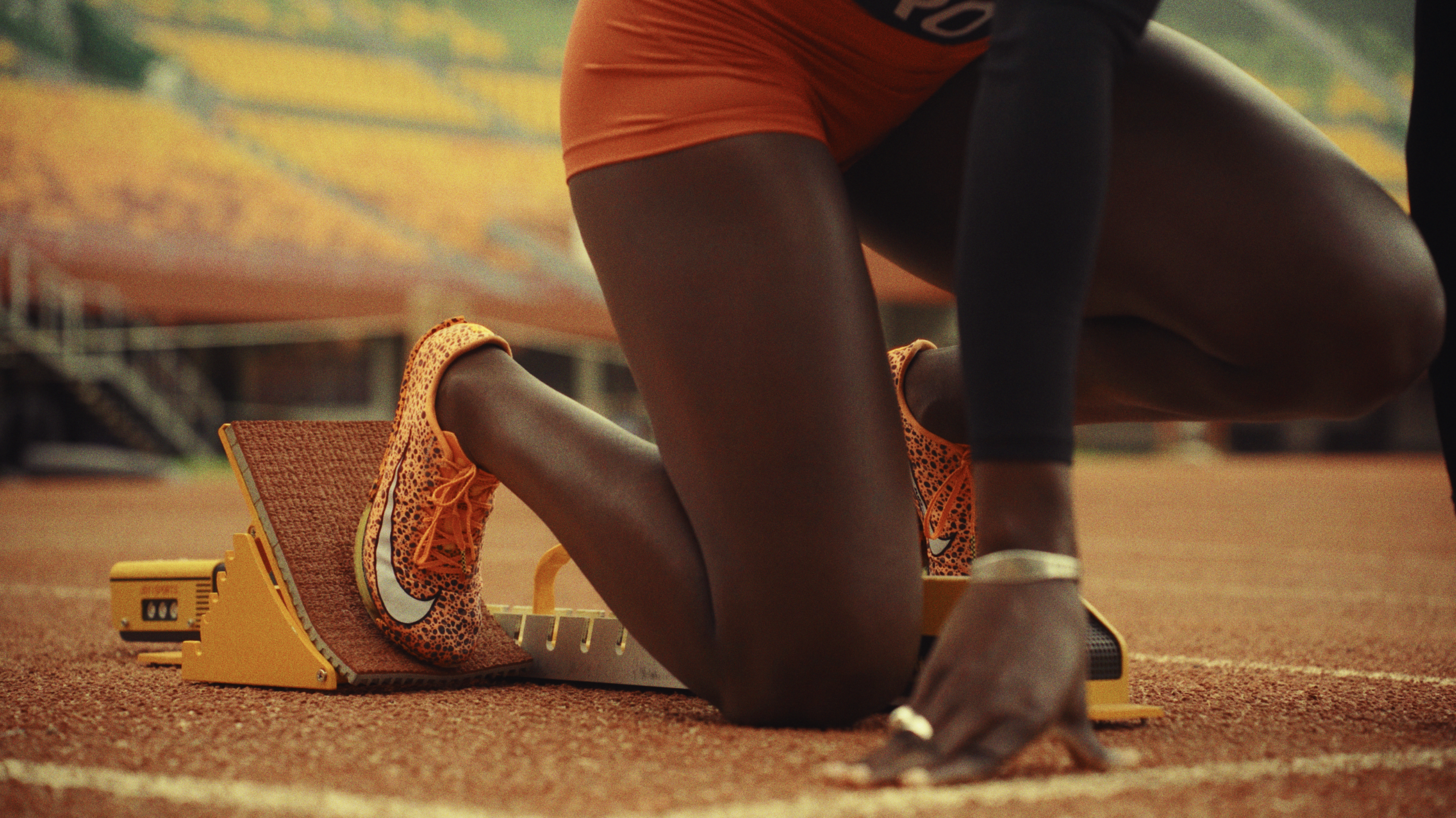
This first film stays close to the track. No interviews yet. No explanation. Just sequences from Stade Leopold Sedar Senghor in Dakar, where movement, rhythm, repetition, and atmosphere begin to speak for themselves. The point is not only to show athletes training. It is to show the environment around performance: the textures, the conditions, the culture, the energy that shapes the body before the stopwatch ever does.
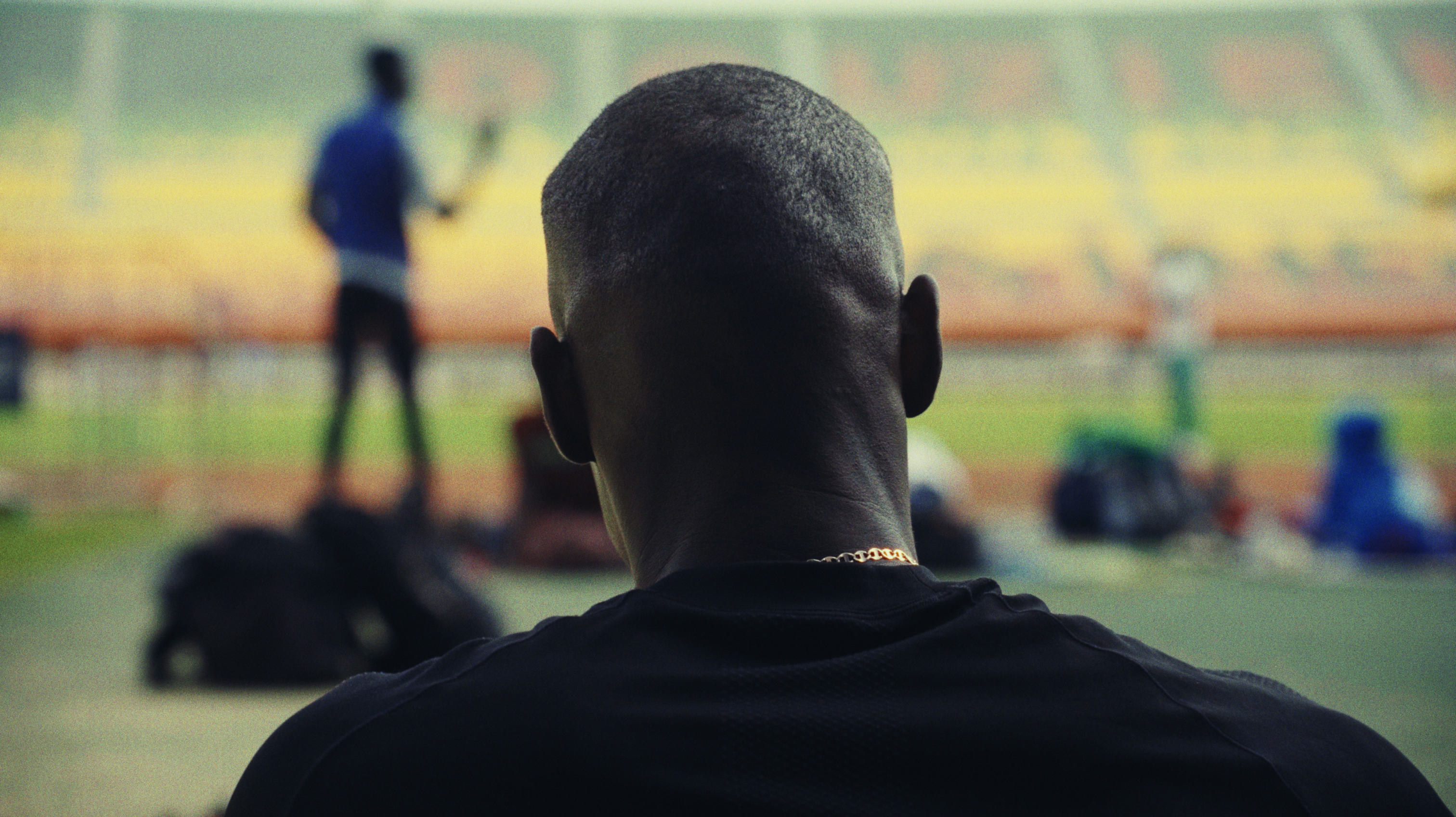
"Performance is never neutral. It is cultural. It is social. It is political."
Because performance is never neutral. It is cultural. It is social. It is political.
Track and field is often presented as one of the purest sports in the world. Run, jump, throw. Time does not lie. Distance does not lie. But behind that apparent simplicity sits a more complicated reality. To compete on the biggest stages, athletes usually have to pass through national systems, federations, passports, and funding structures. They are asked to represent a country, and with that comes the assumption of belonging. Yet behind the scenes, those decisions are not always shaped by identity alone. They are often shaped by access, money, opportunity, and politics.
Who gets support? Who gets selected? Who gets to travel? Who gets seen? These are not small questions. They shape careers.
For decades, the main stages of global track and field have been concentrated in Europe, North America, and at times Asia. Meanwhile, Africa has continued to produce extraordinary athletic talent, often under far more difficult conditions. The issue has never been a lack of ability. More often, it has been a lack of access. Visa restrictions, passport inequality, weak institutional support, and federation politics have all limited who gets to appear, compete, and build a career at the highest level.
That is part of the deeper story this series wants to enter. Not with easy slogans. Not with romanticism. But with attention.
Senegal hosting the Youth Olympic Games creates a powerful opening. It places the country, and by extension the continent, at the center of an international sporting conversation. It offers a chance to ask bigger questions about who global sport is built for, who gets left at the margins, and what it would mean to take African sporting worlds seriously on their own terms.
This series begins with observation. Later, we will bring in the voices of coaches, athletes, and people working inside this reality. We will ask what performance means in a place where culture, history, economics, and ambition meet on the same track. We will ask what sport reveals about power. And we will ask what becomes possible when the center begins to shift.
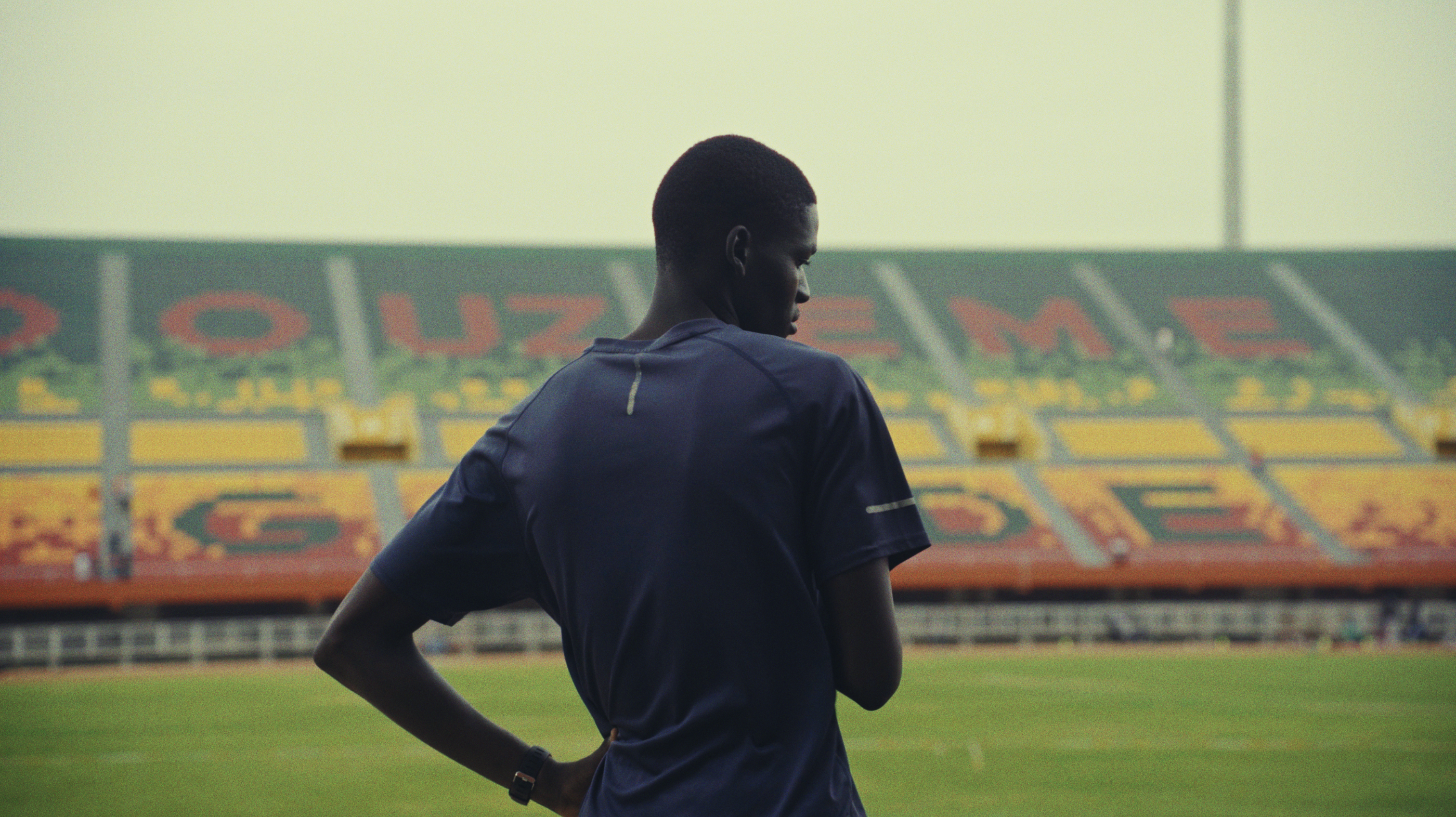
This is only part one. A first look. A first rhythm. A first invitation into the world around the lane lines.